1550 N 40TH Street 12
- Mesa, AZ
- $2,395,000

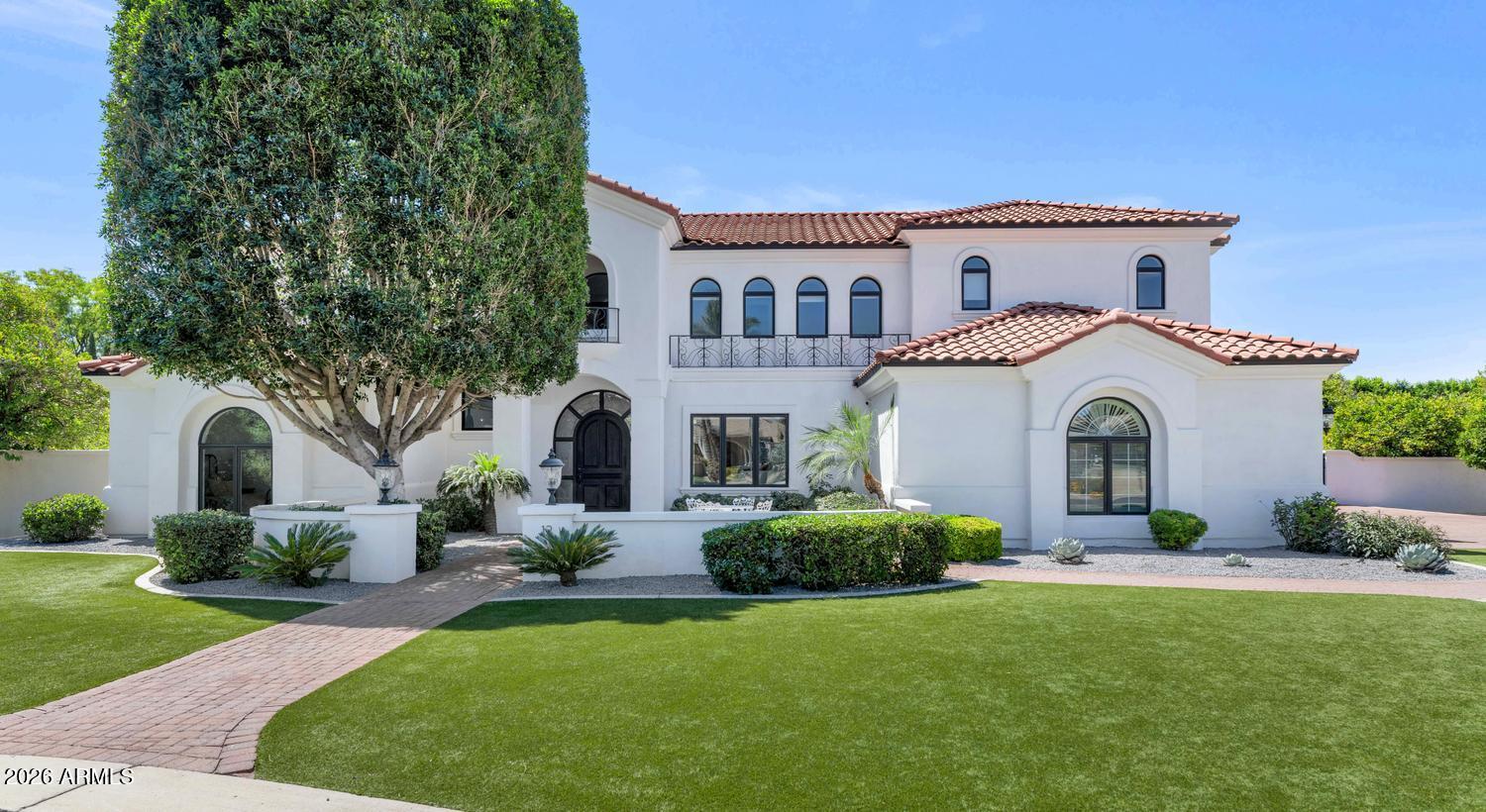
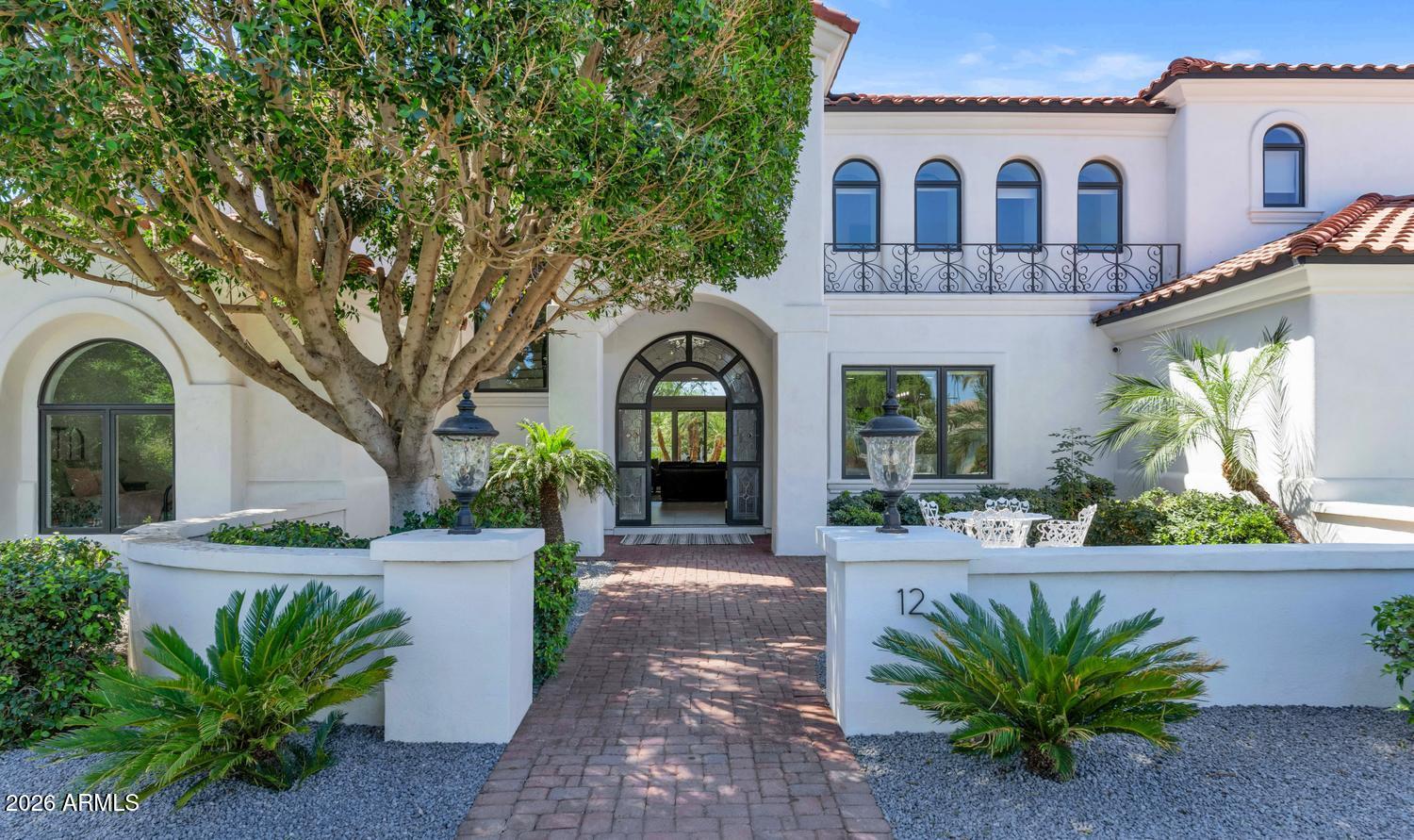
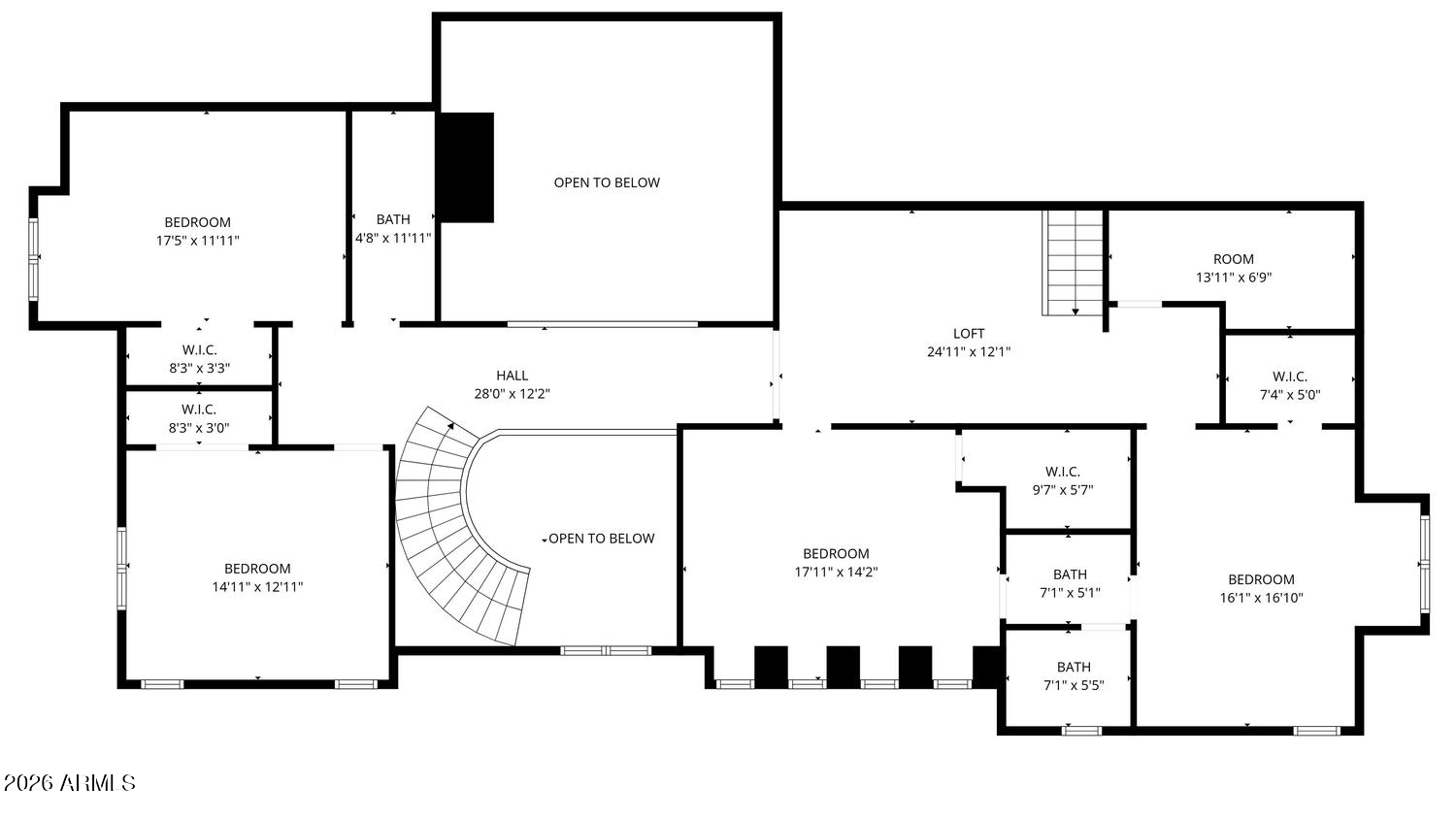
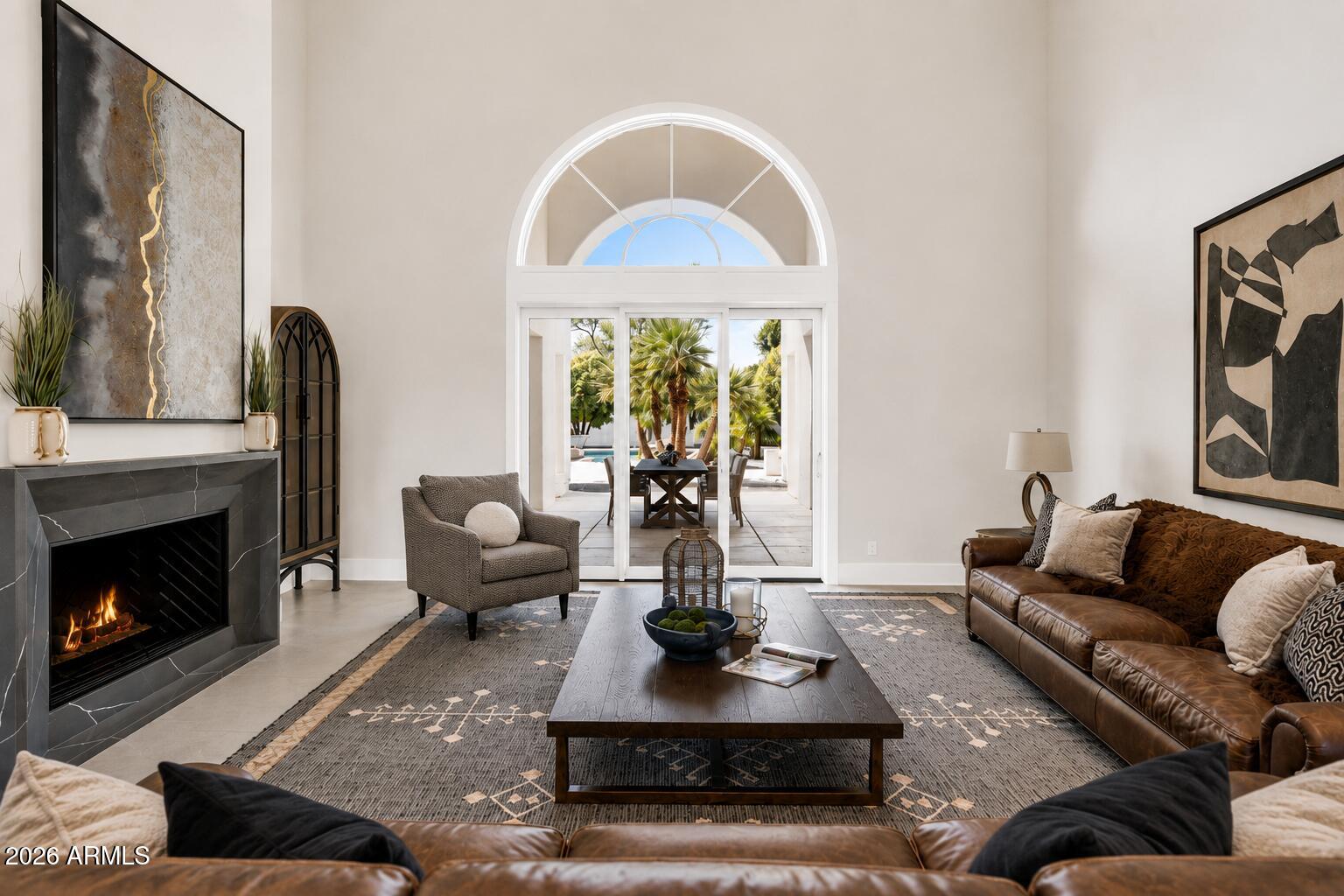
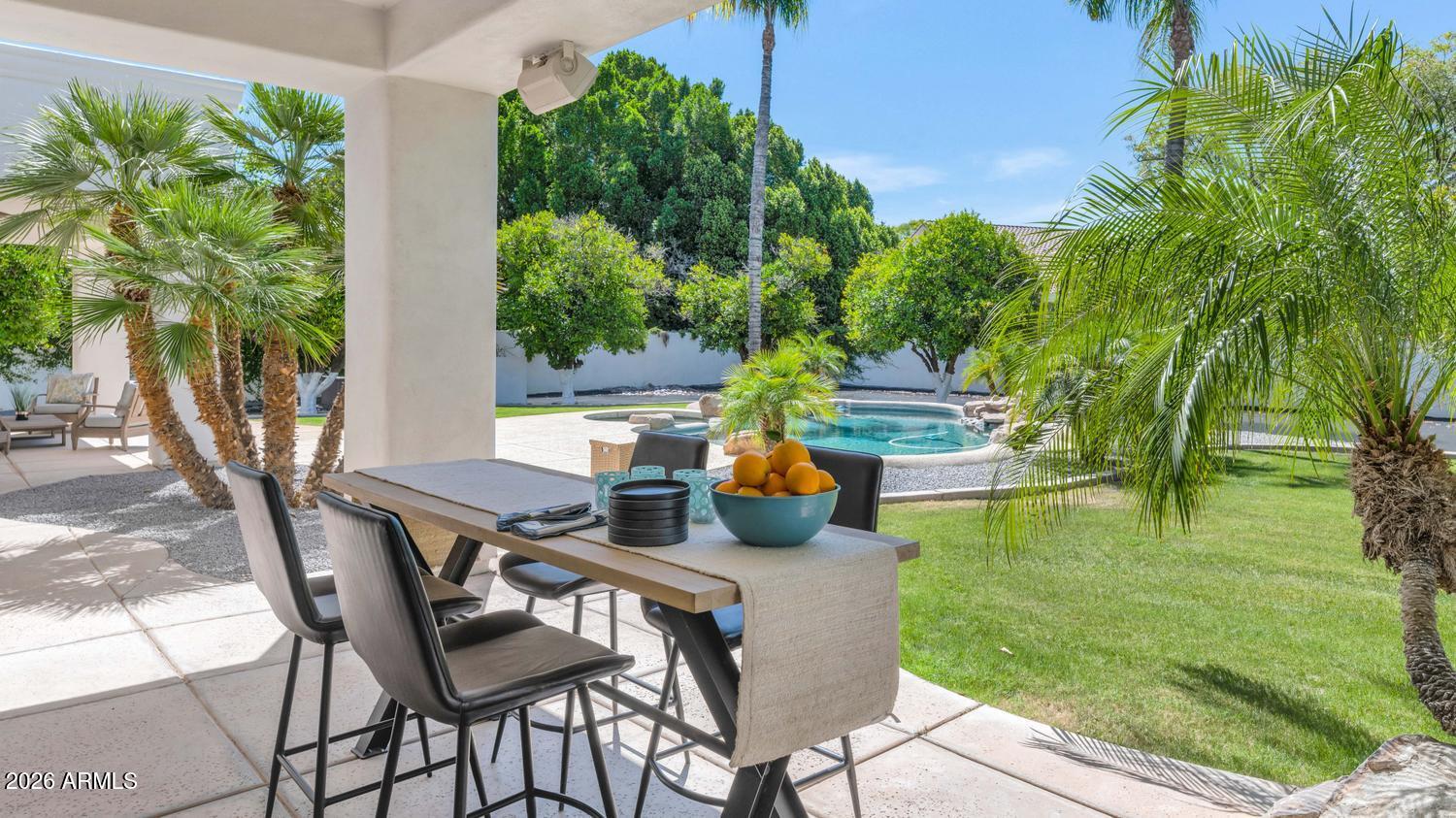
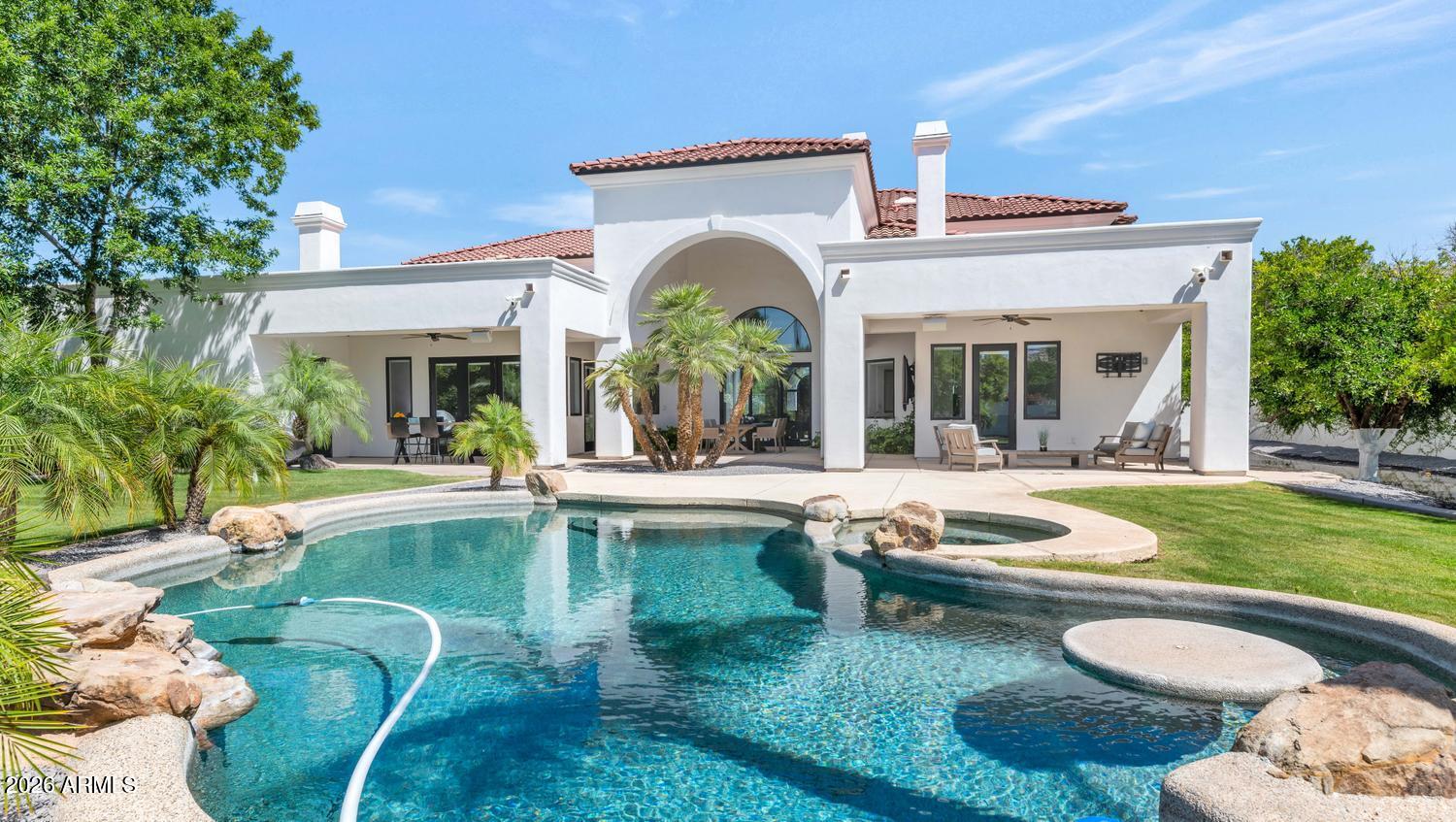
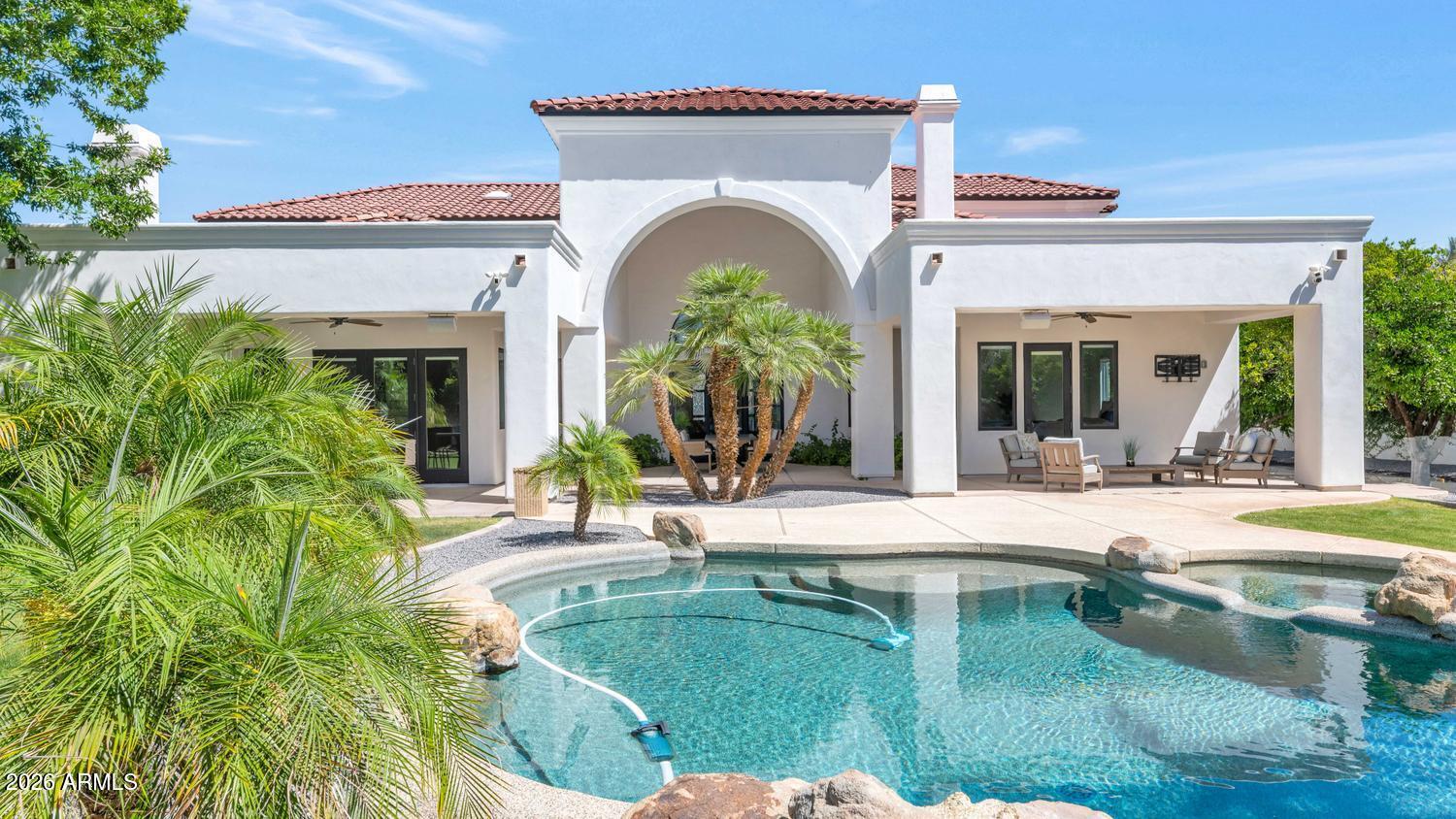
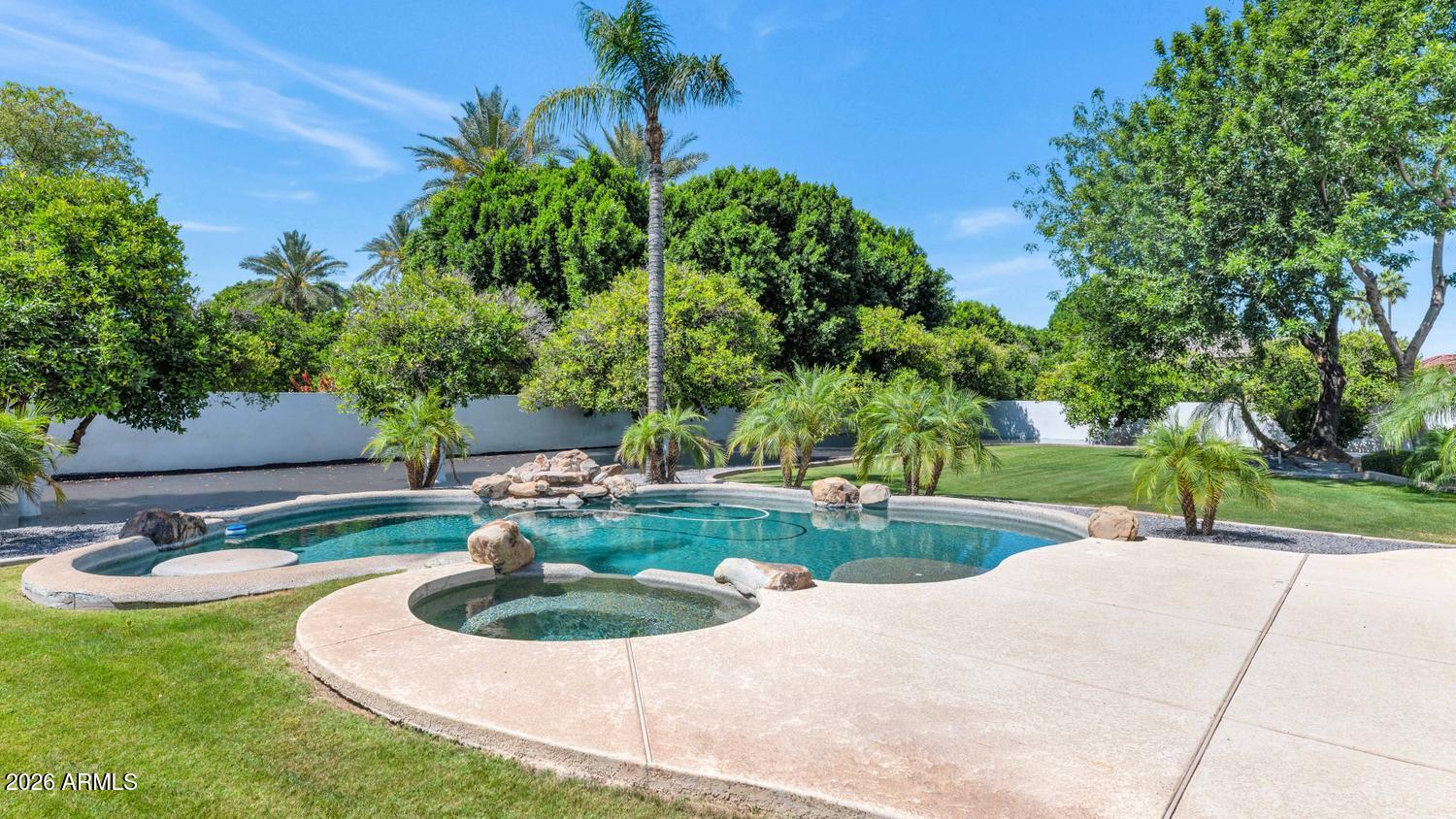
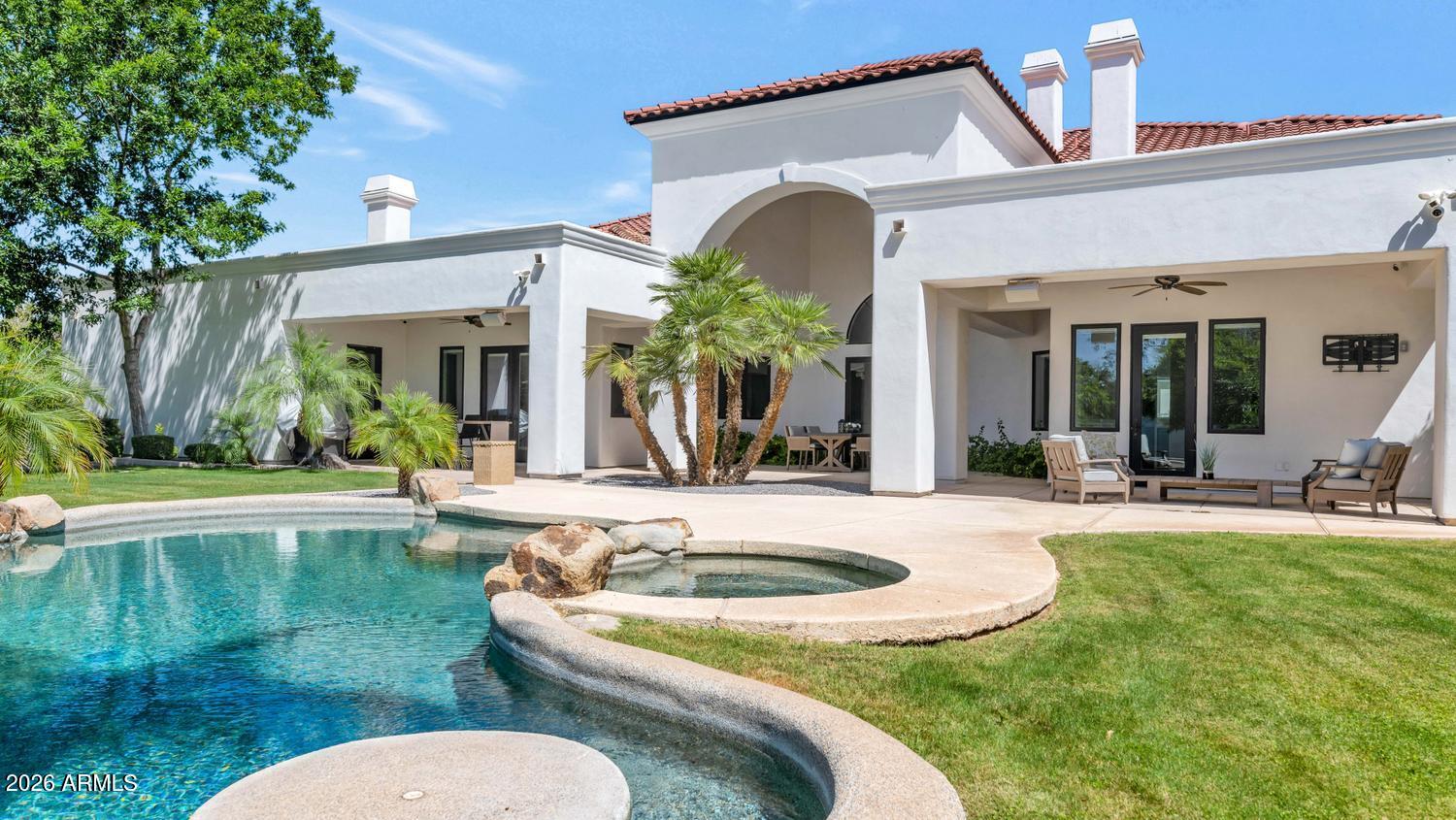
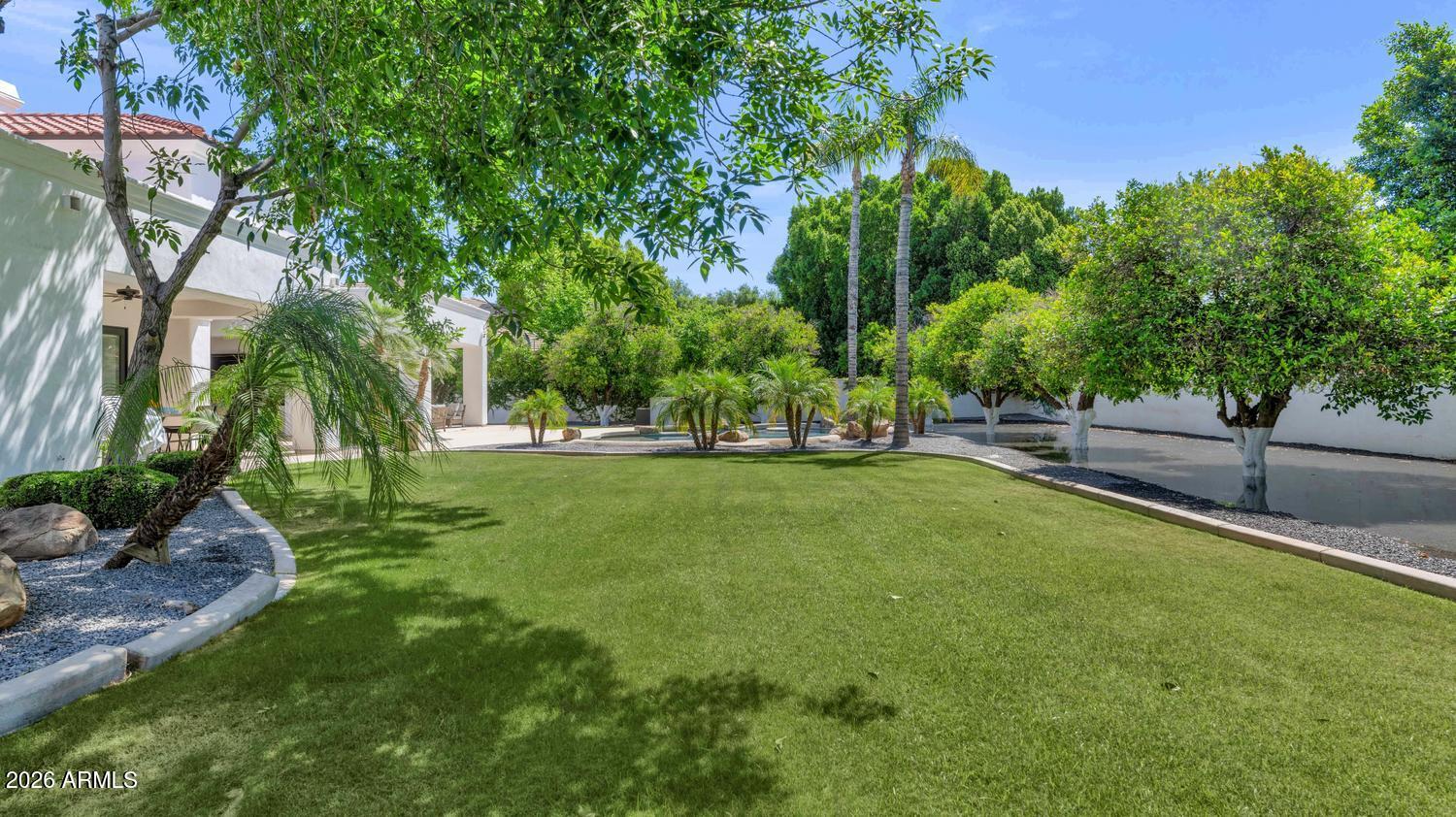
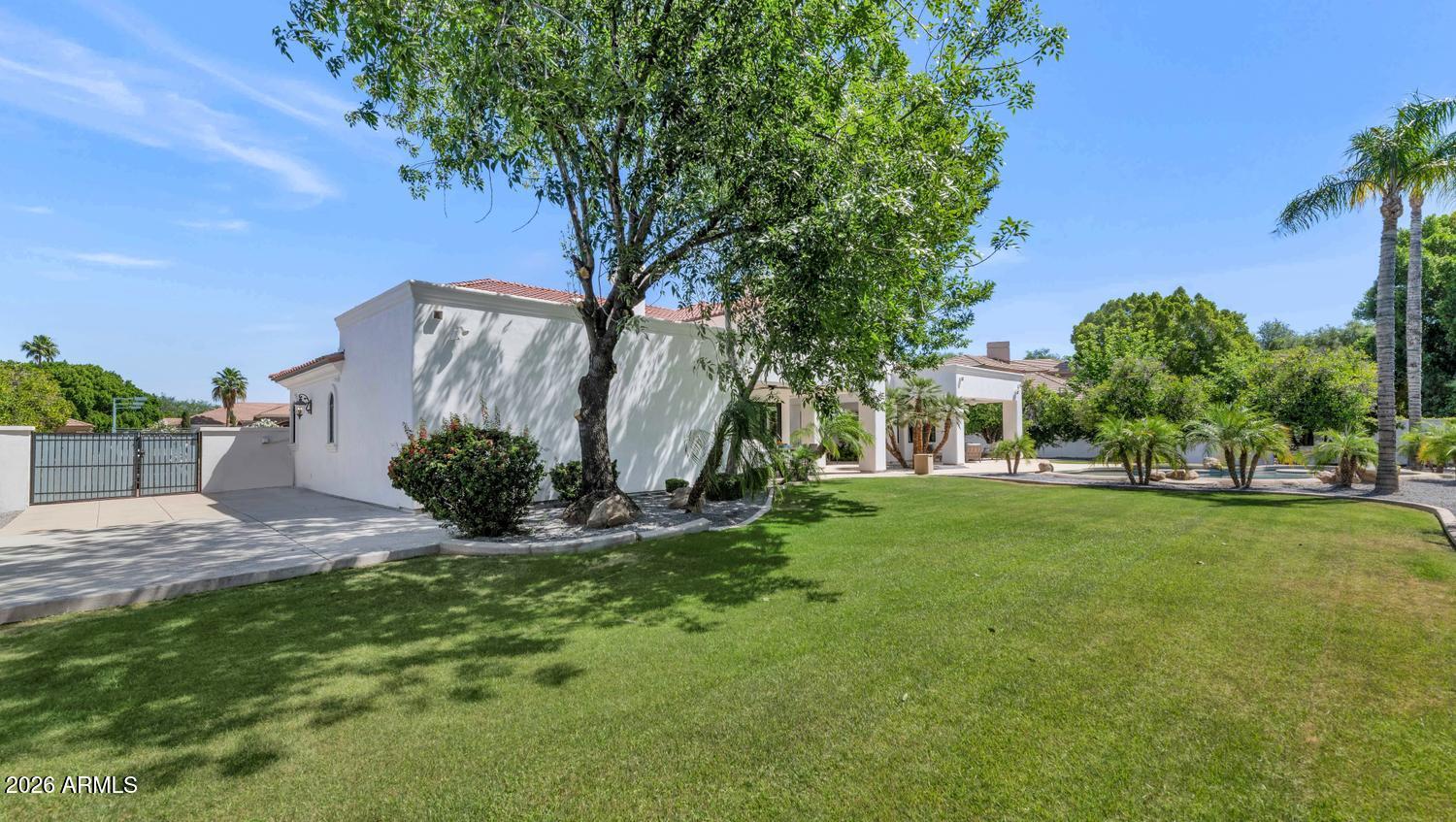
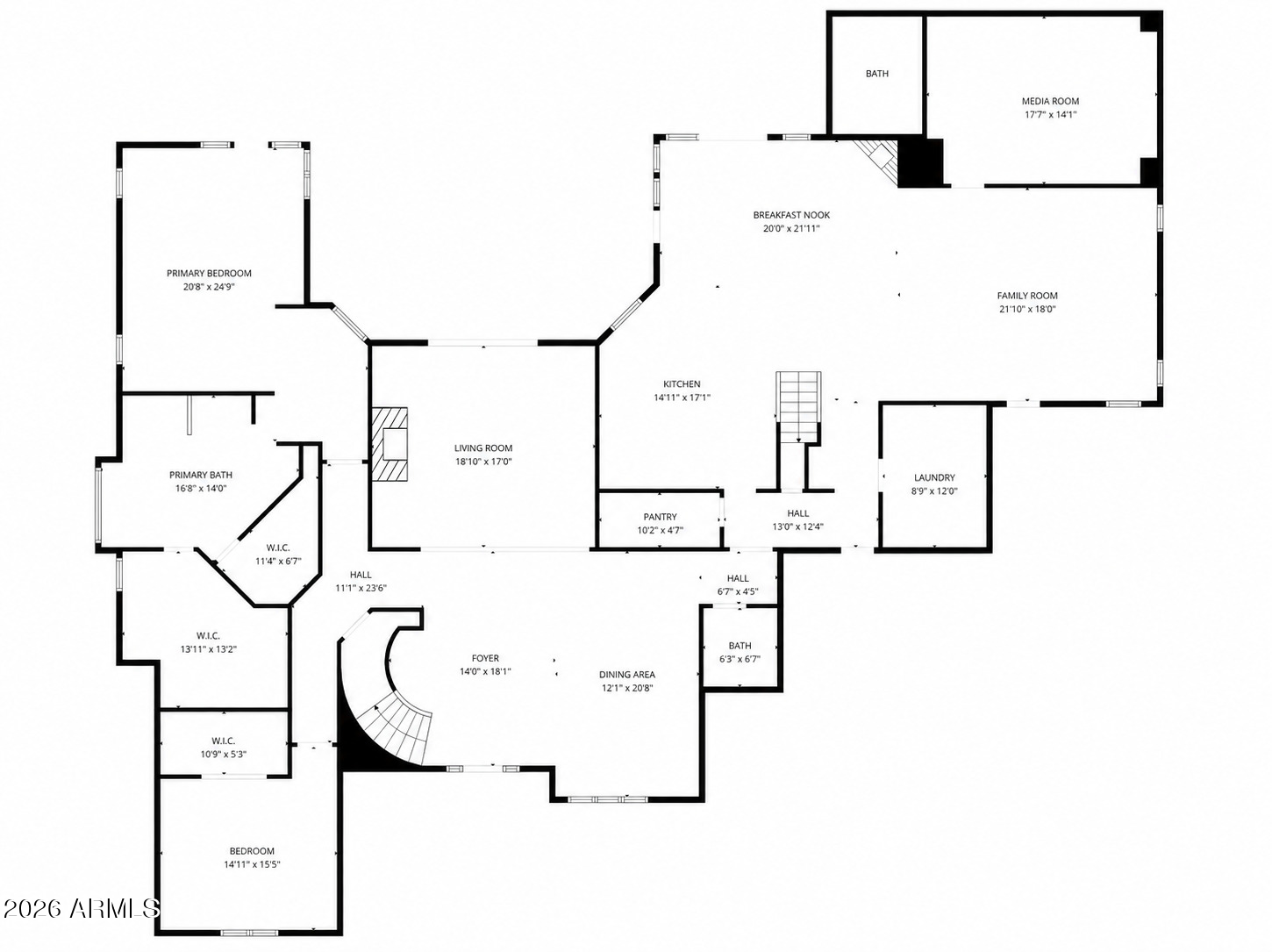
5 Beds 5 Baths 6,107 Sq.Ft. 0.69 Acres
Year Built
Total Bedrooms
Total Bathrooms
Living Space
Lot Size
Garage Spaces
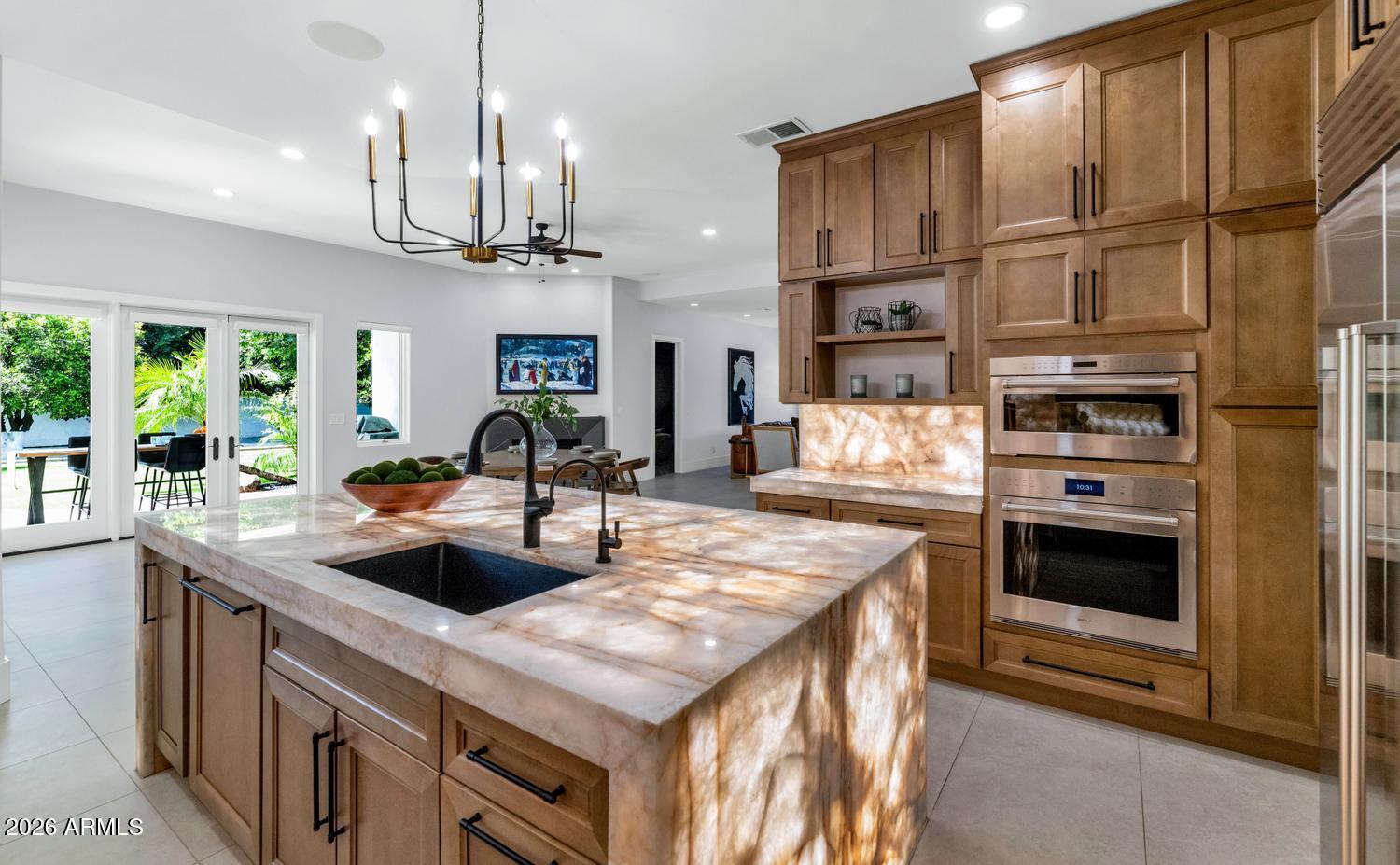
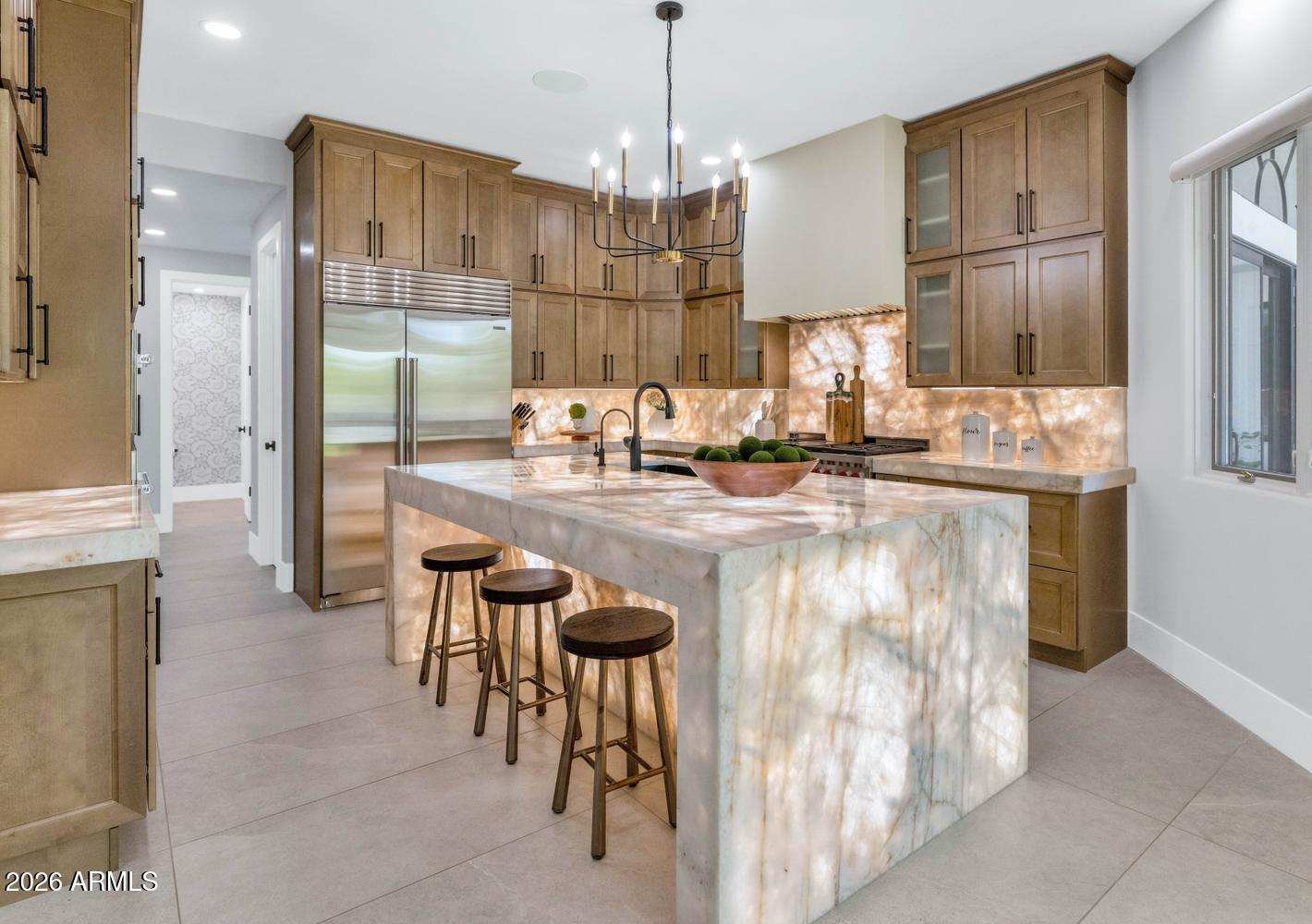
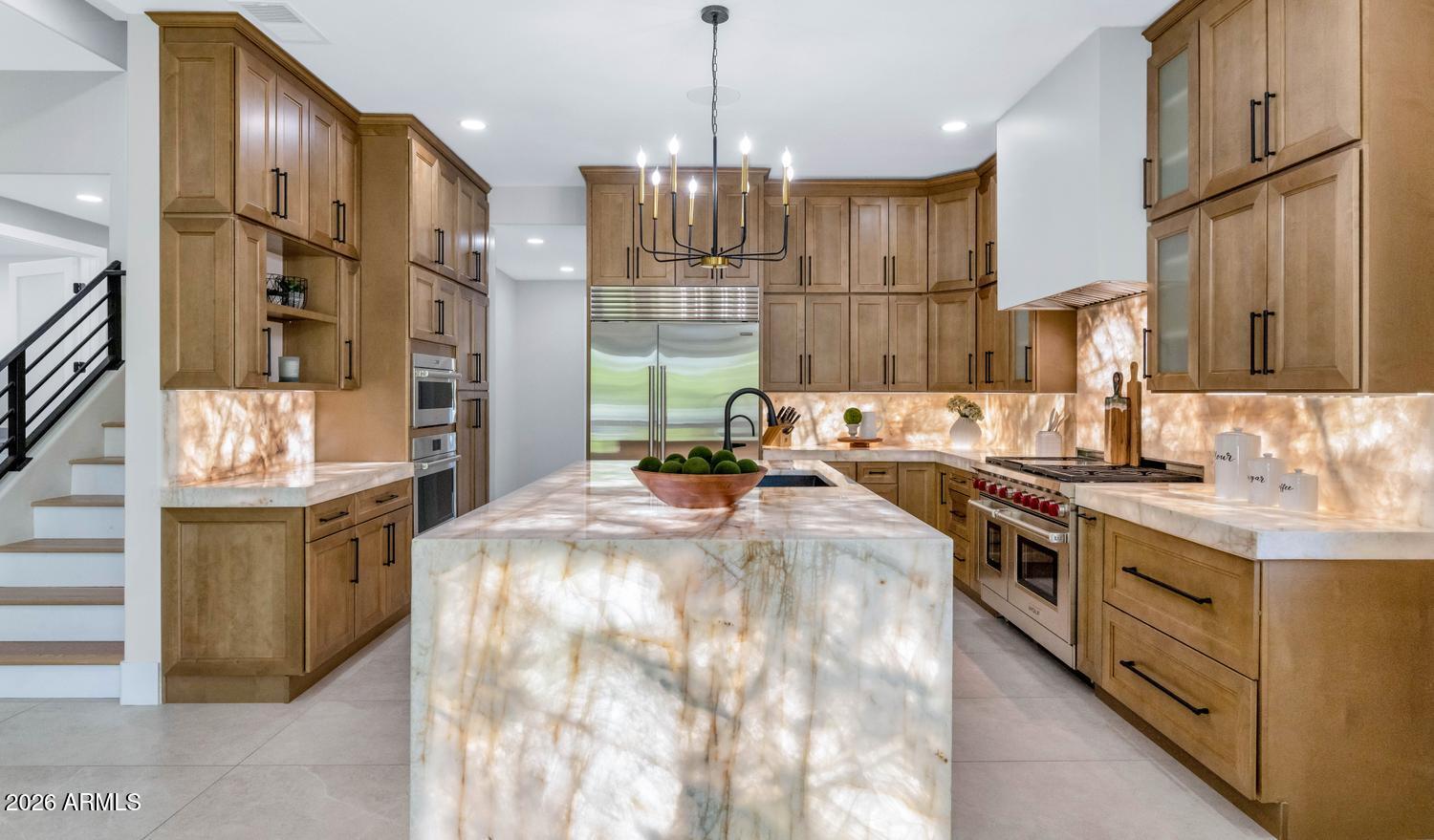
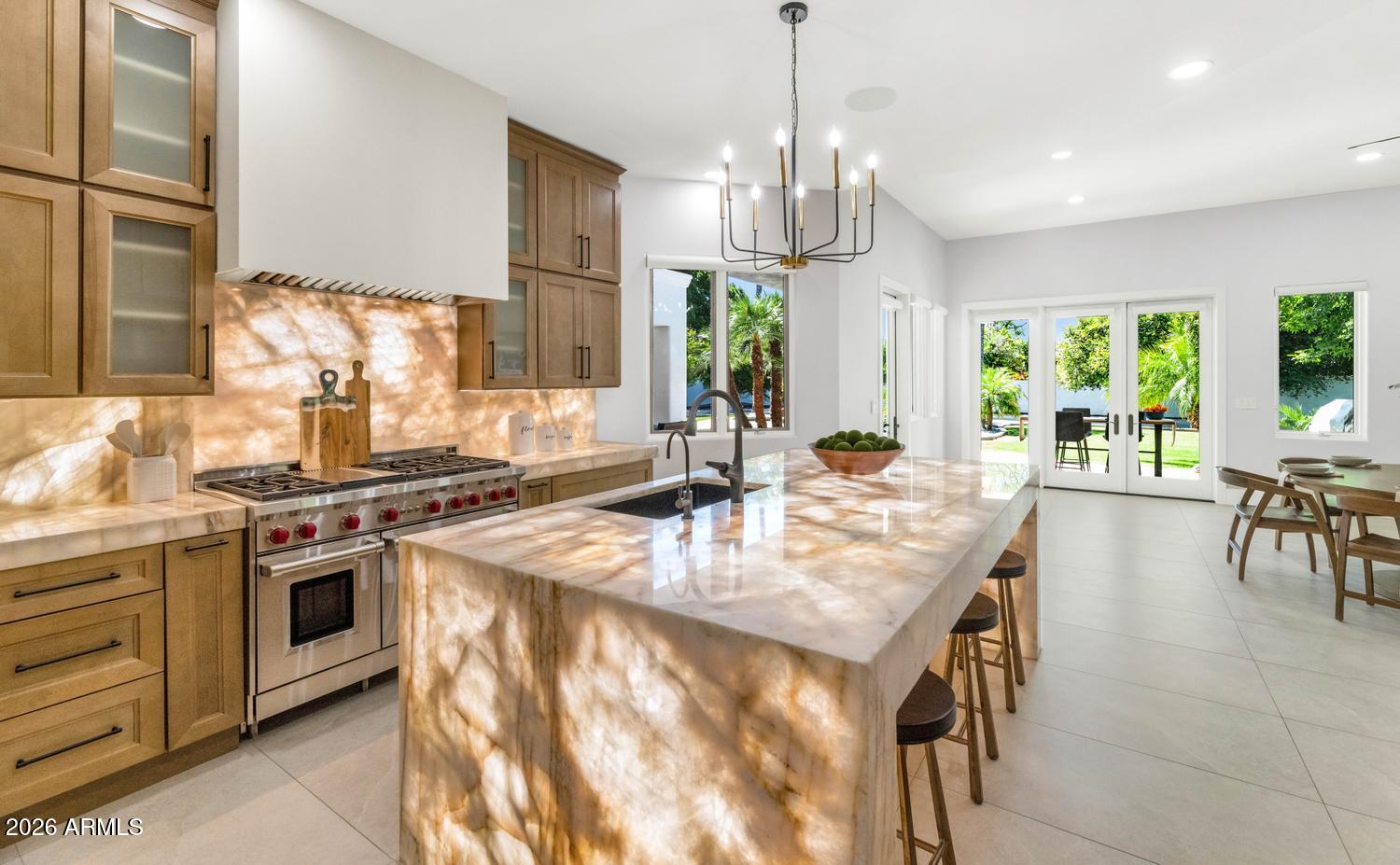
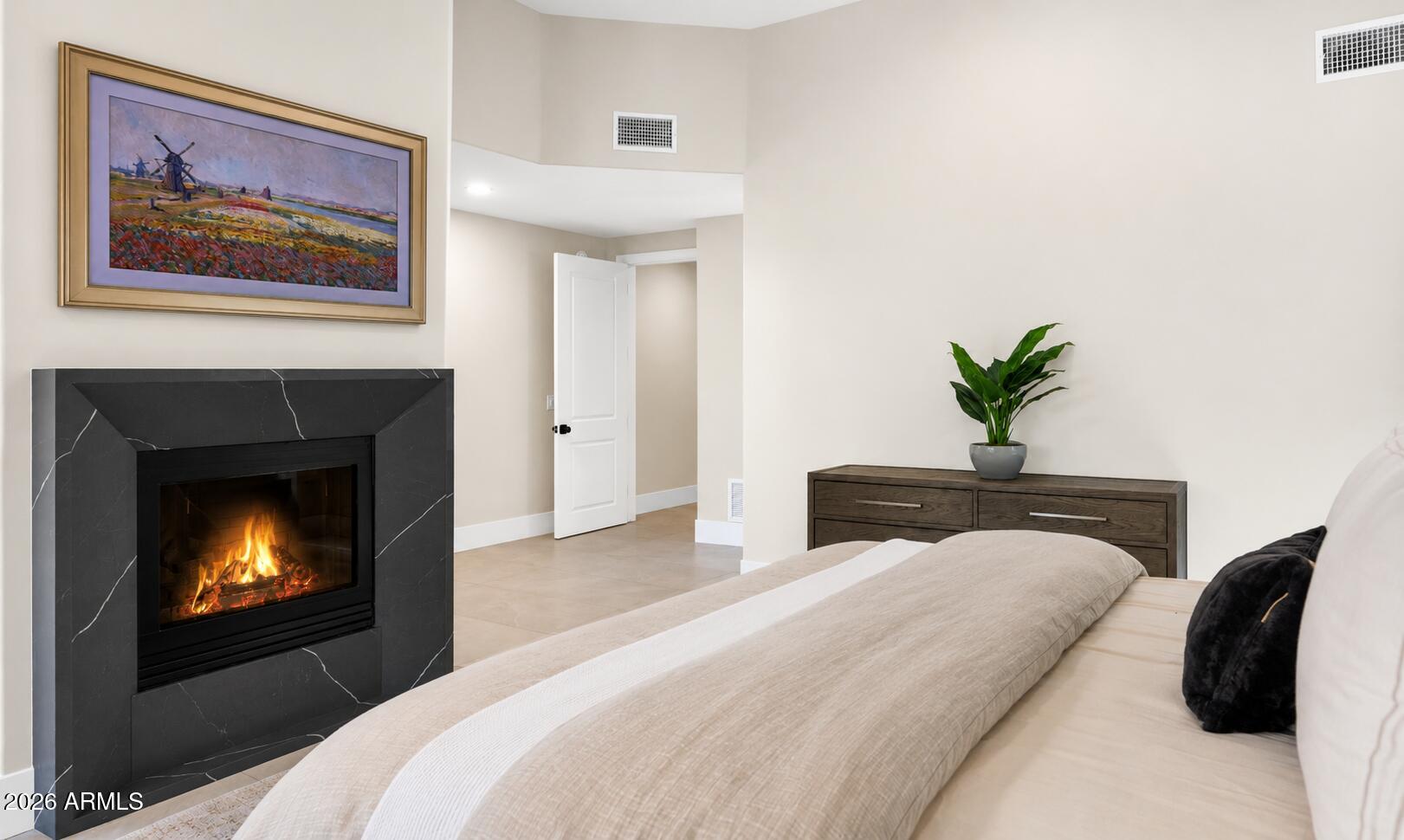
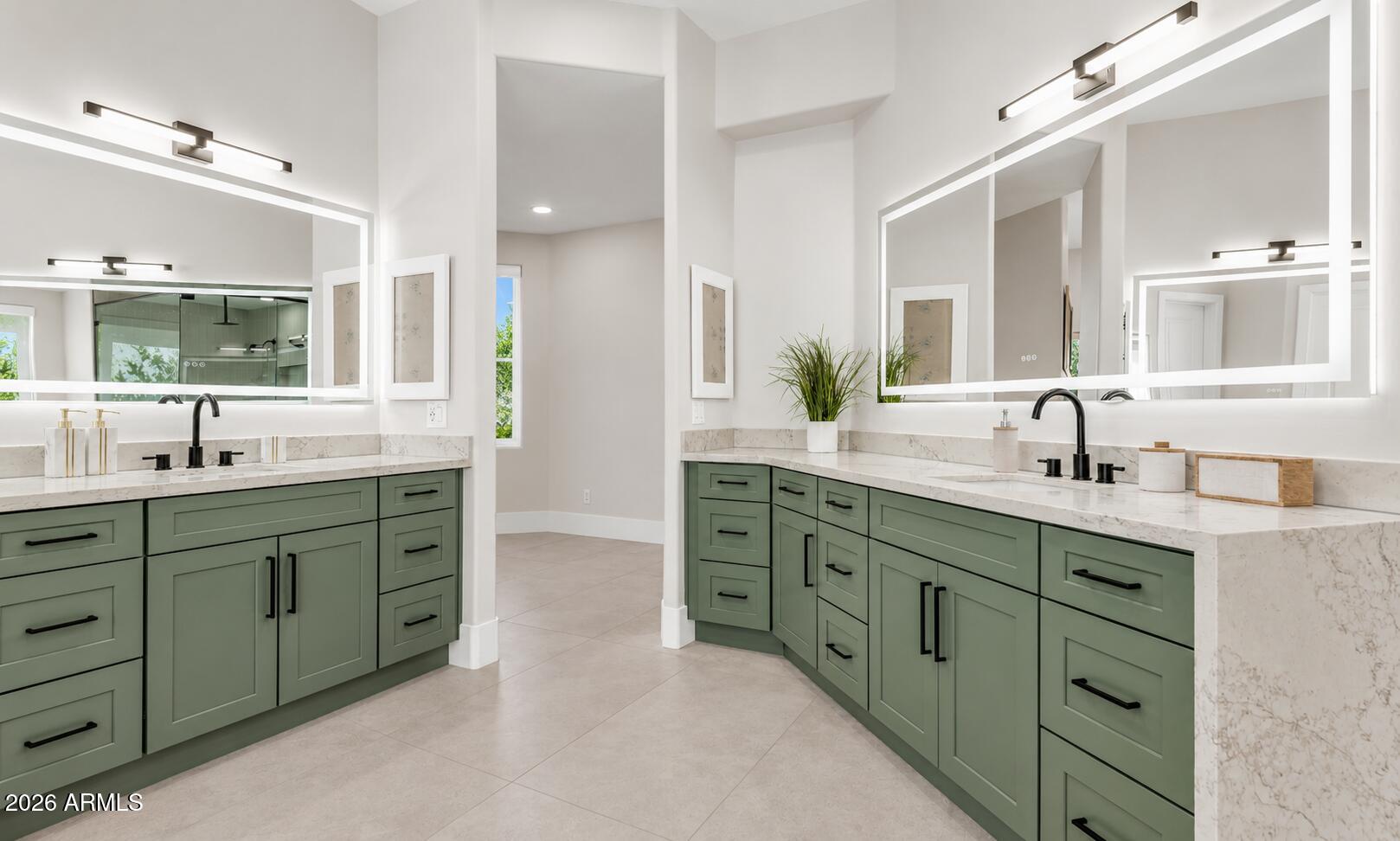
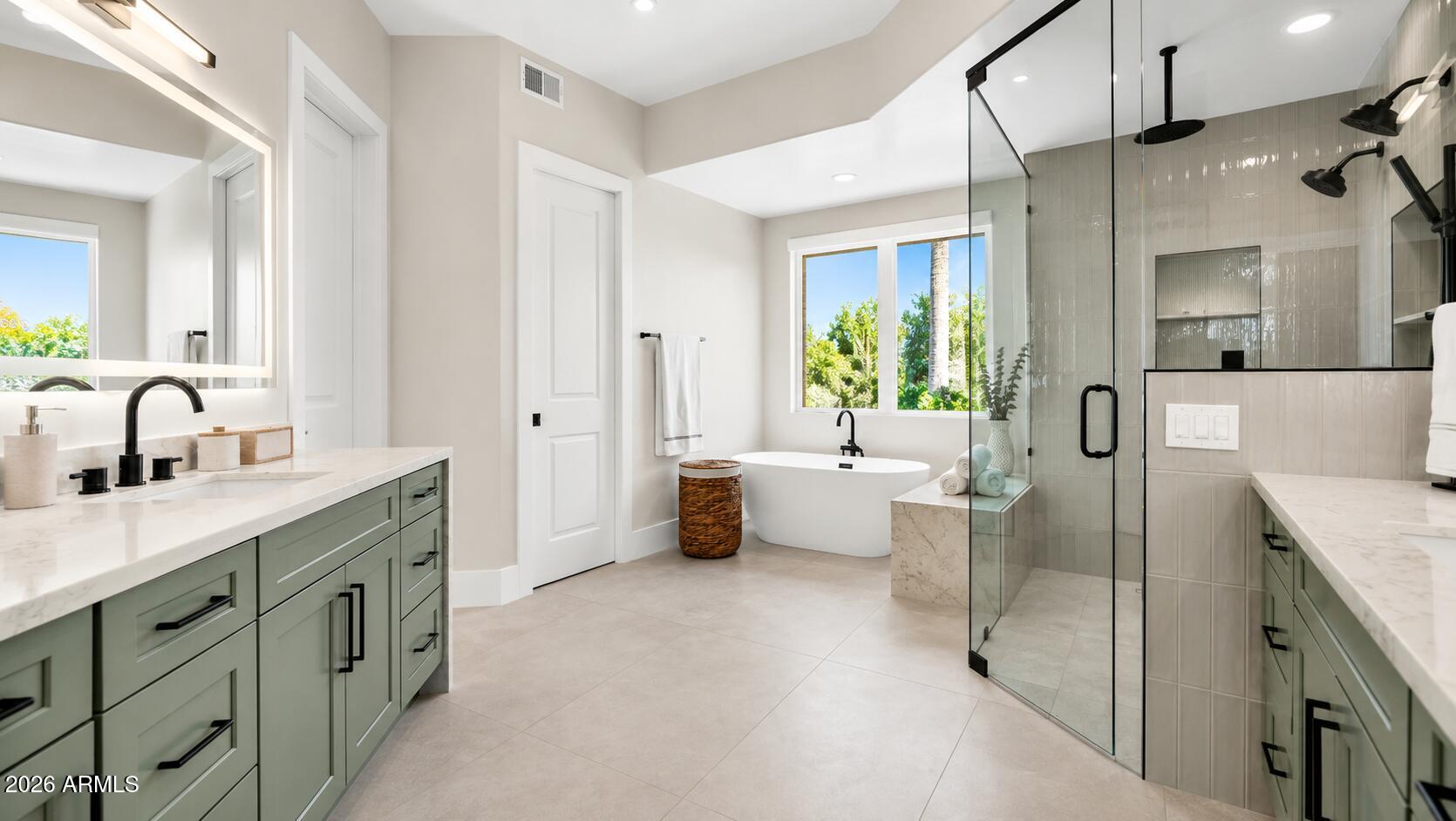
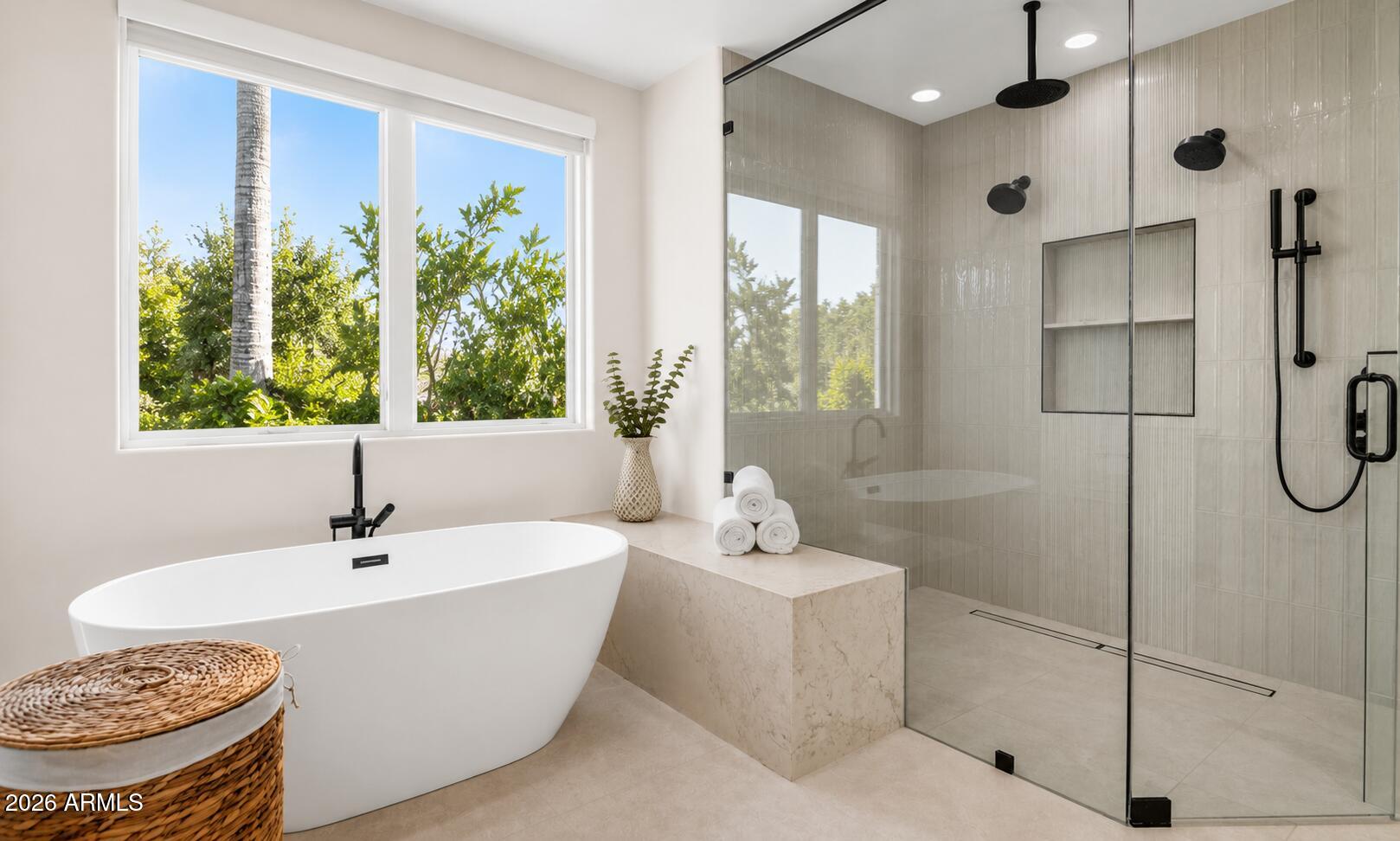
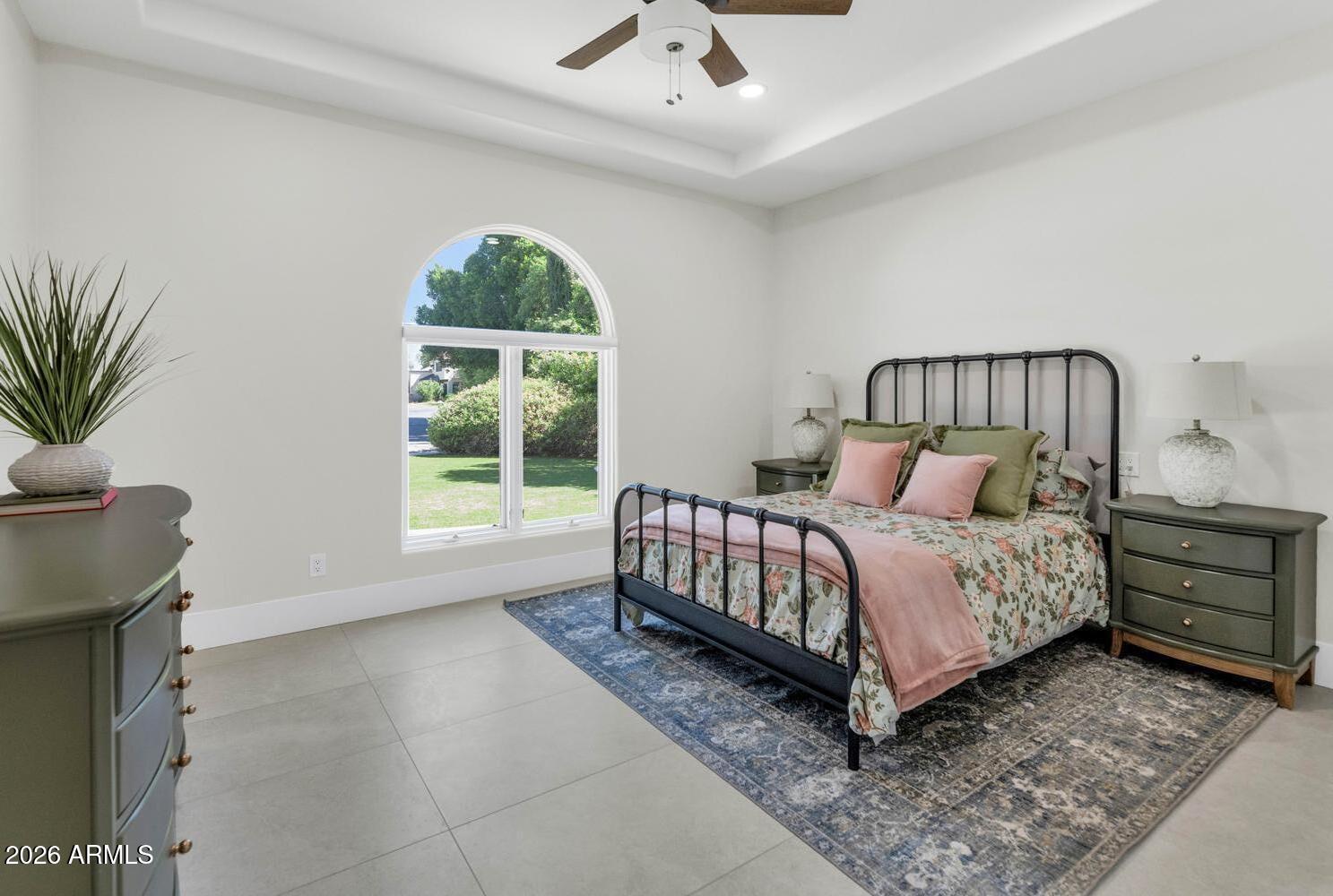
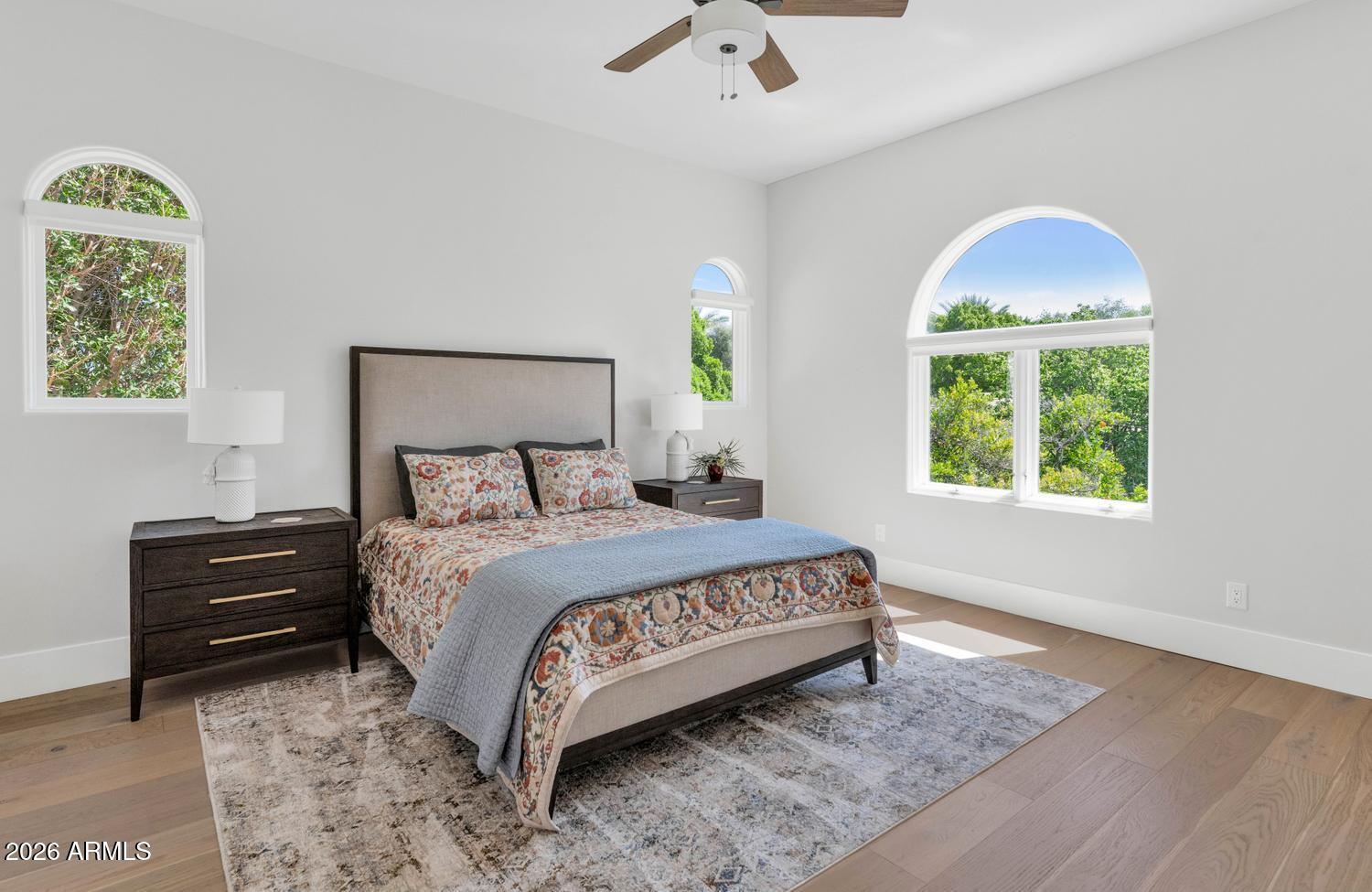
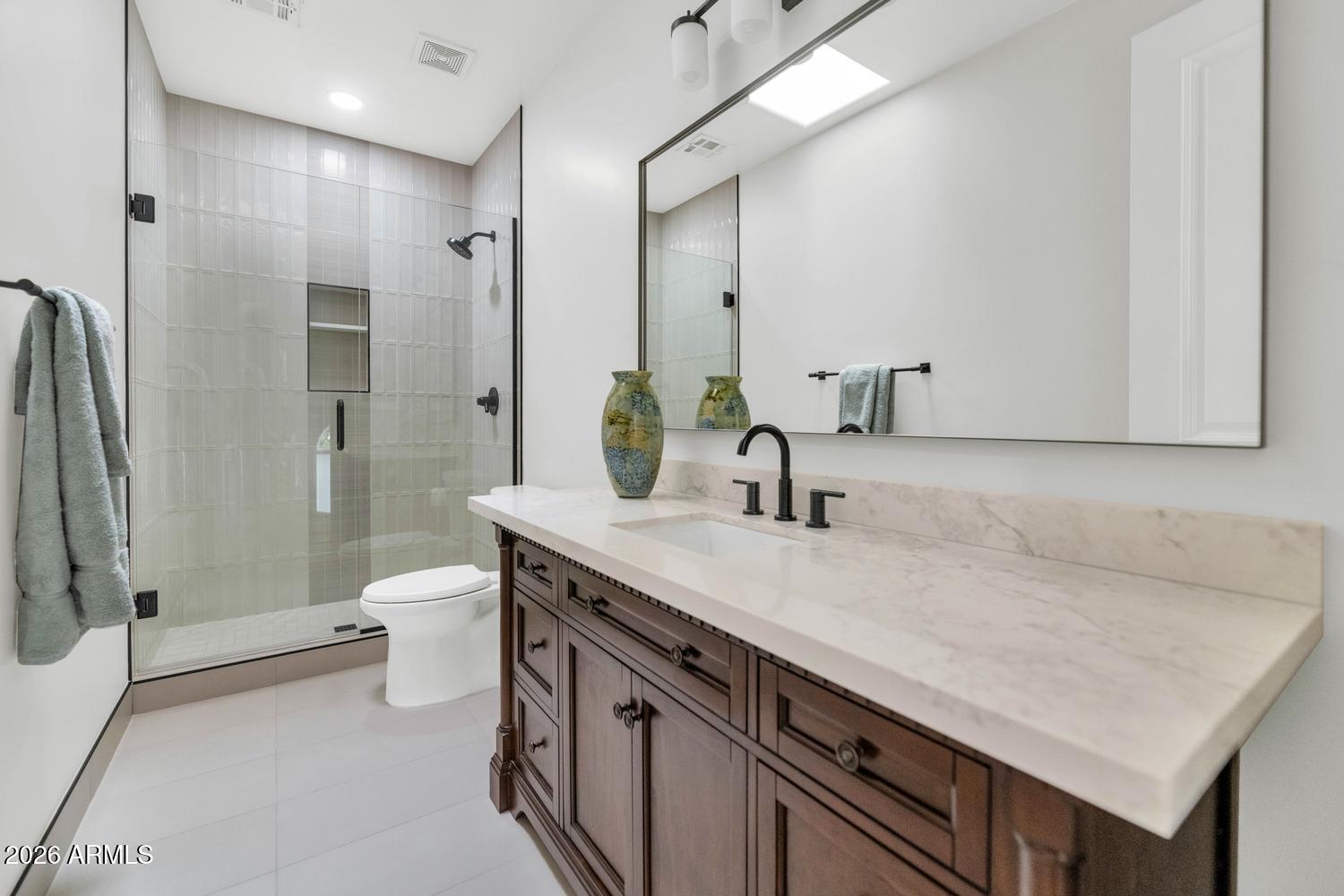
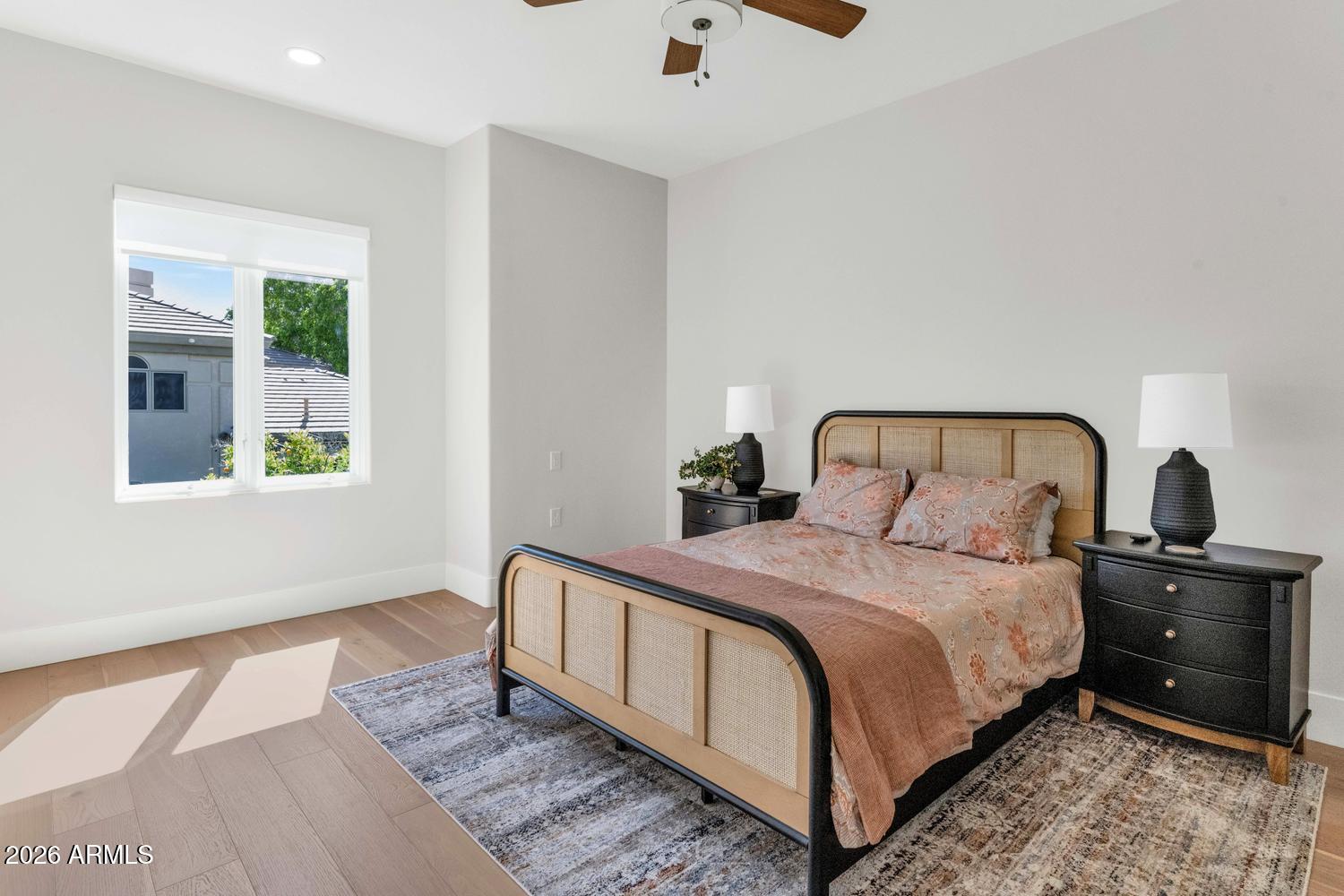
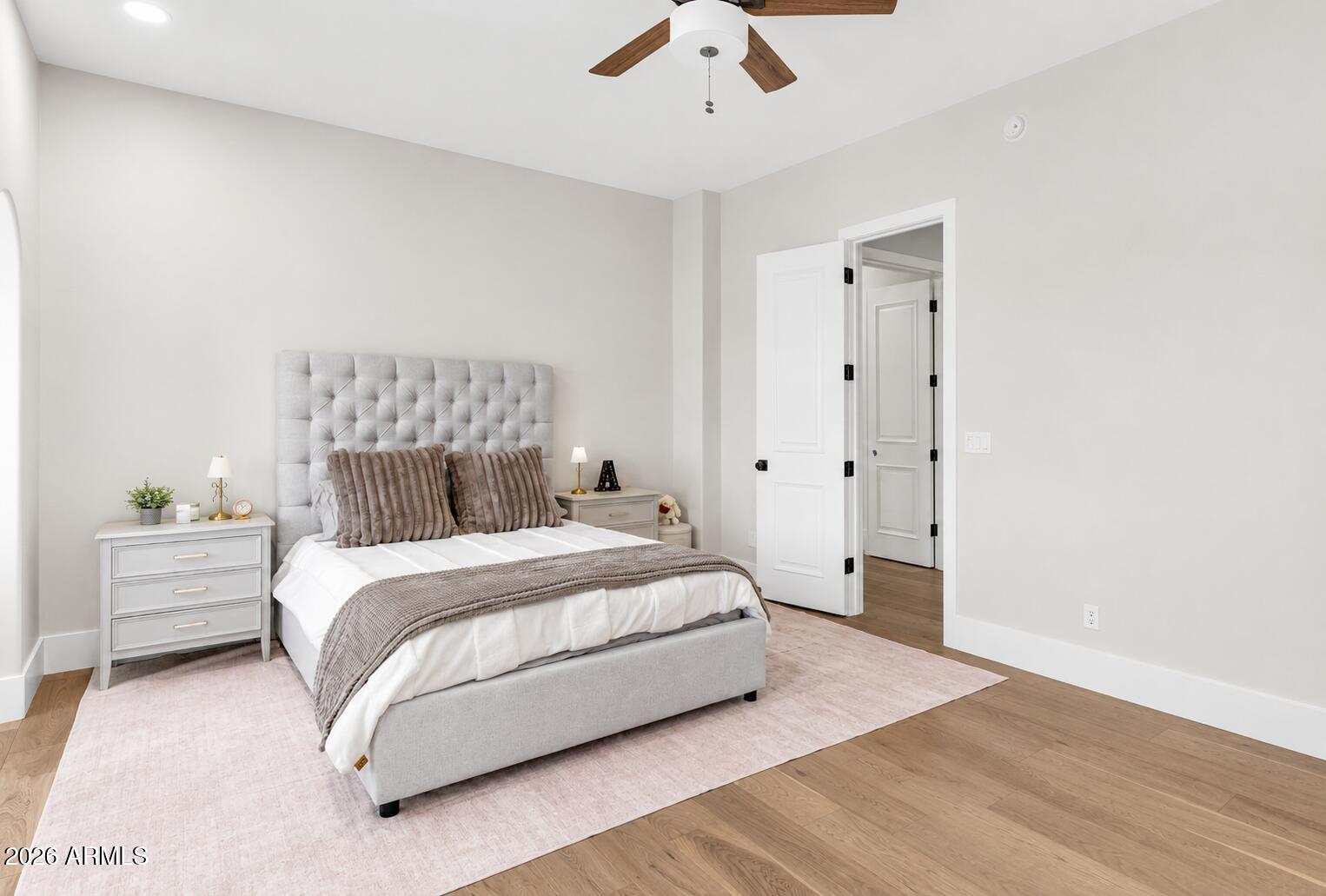
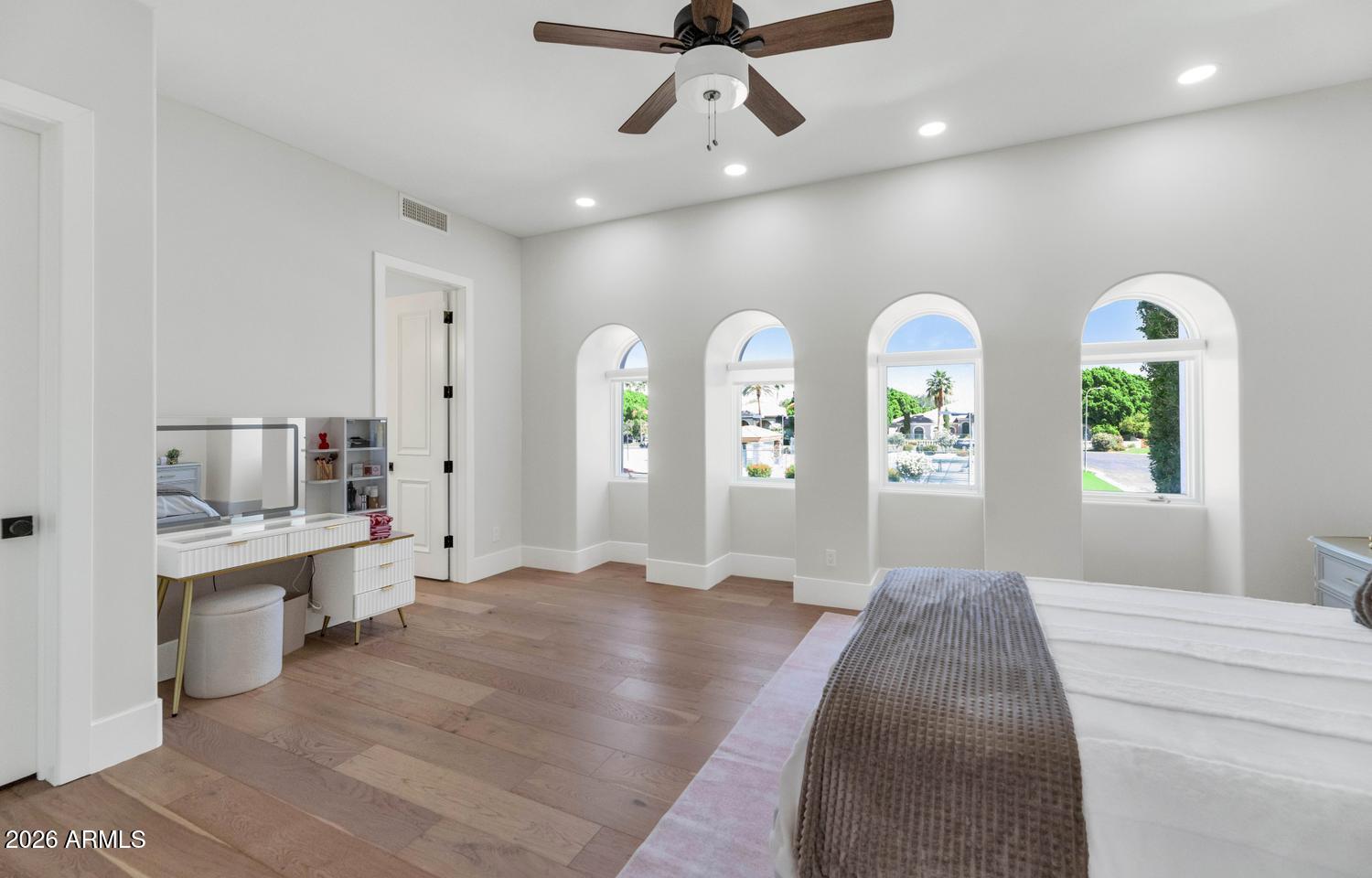
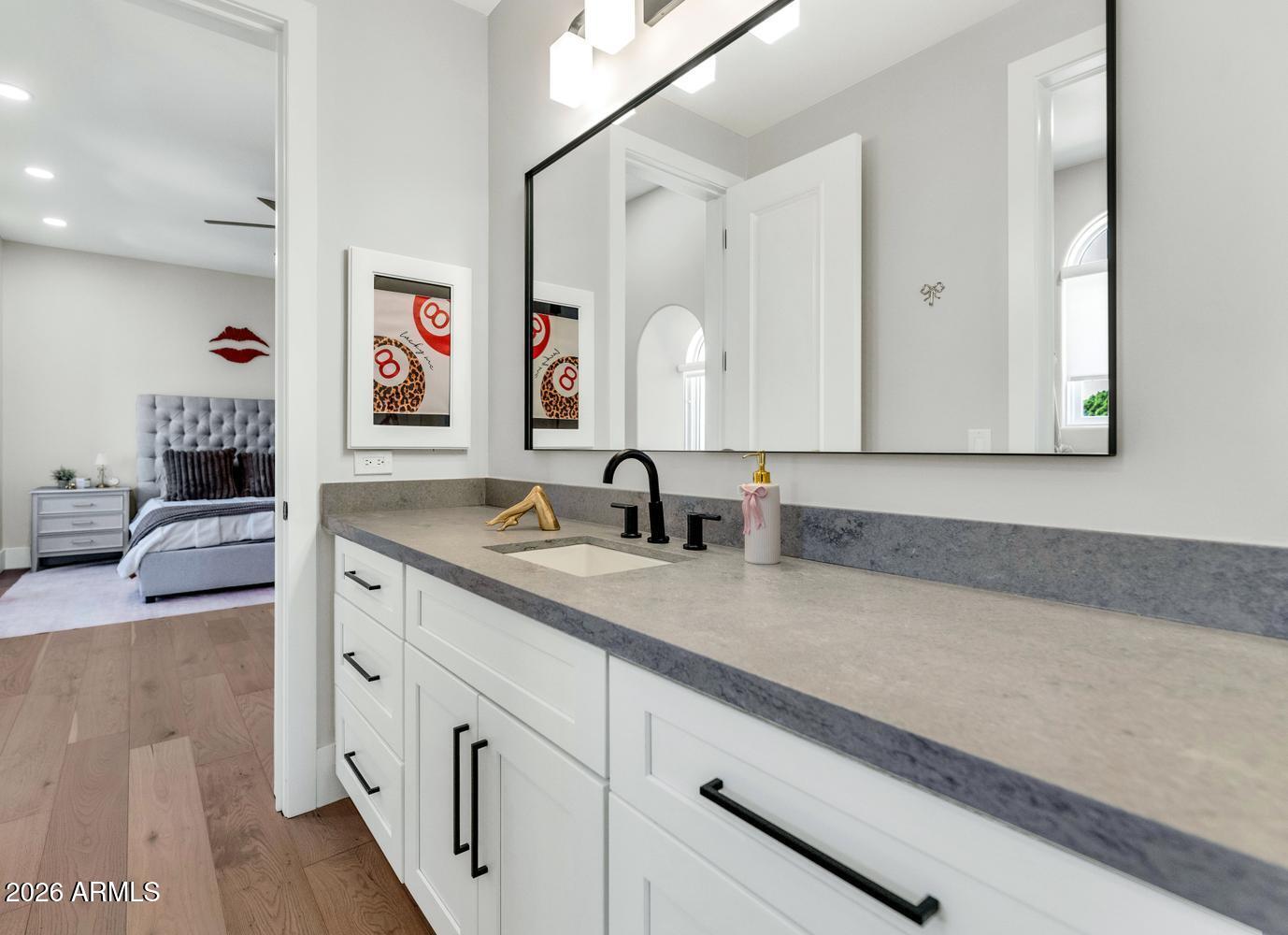
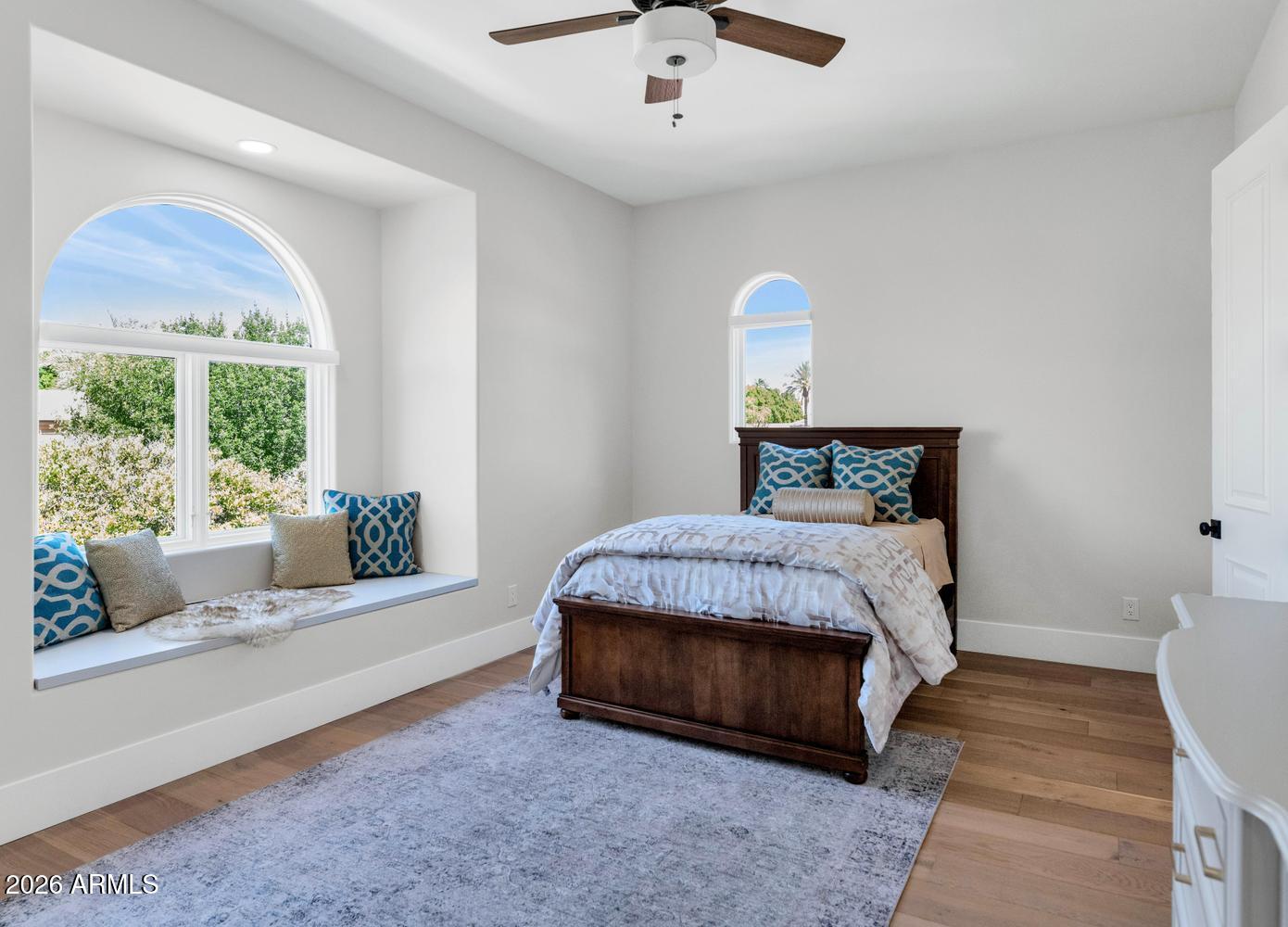
Explore
East Mesa developed later than many central Phoenix neighborhoods, resulting in a built environment shaped by master-planned communities, modern infrastructure, and contemporary residential design. Architectural styles range from late-20th-century Ranch and Southwestern homes to newer builds emphasizing open floor plans, functional outdoor space, and energy-conscious construction.
Street layouts are generally wider and more uniform than historic districts, with an emphasis on drivability, neighborhood parks, and integrated community amenities. Lot sizes tend to be more generous than those found in urban cores, supporting garages, RV access in select areas, and adaptable outdoor environments.
Life in East Mesa is centered on convenience, space, and access to the outdoors. Residents value proximity to regional parks, desert preserves, and trail systems, alongside neighborhood schools, recreation centers, and community gathering spaces. Daily life here is less about walkability and more about ease of movement, predictable routines, and access to both suburban amenities and regional employment hubs.
East Mesa is supported by a network of shopping corridors, grocery centers, and neighborhood retail hubs that provide practical day-to-day convenience. Dining options range from local staples to regional chains, with larger retail and entertainment destinations accessible throughout Mesa and neighboring Gilbert. The emphasis is on accessibility and functionality rather than destination dining.
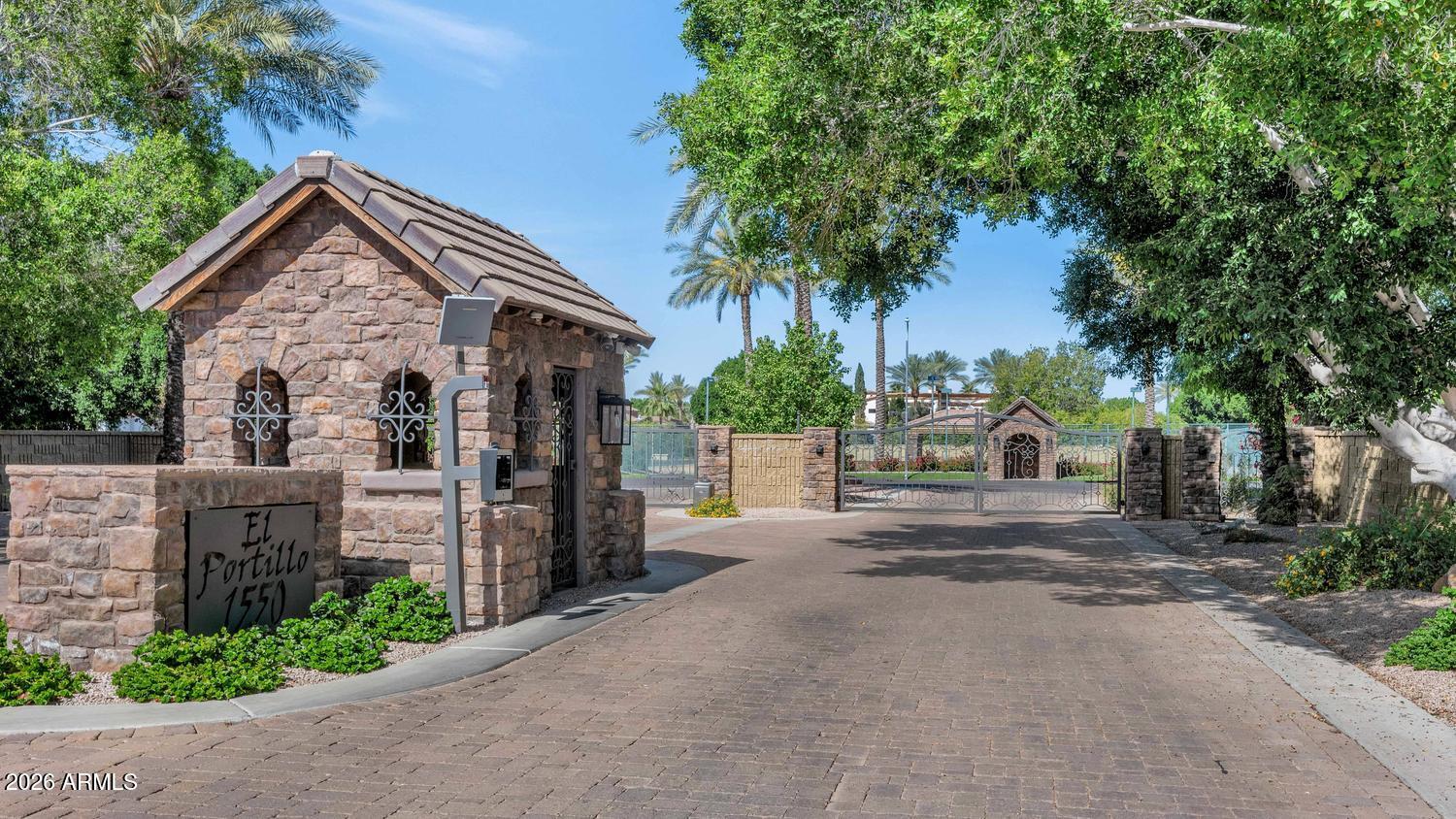
Real estate in East Mesa is defined by variety and adaptability. Housing stock includes single-family neighborhoods, gated communities, and select custom or semi-custom enclaves. Properties often prioritize interior square footage, garage capacity, and outdoor usability over architectural ornamentation.
Buyers are drawn to East Mesa for relative land value, predictable development patterns, and the ability to secure homes that accommodate evolving needs — whether multigenerational living, home offices, or recreational storage.
Neighborhood identity can vary significantly by sub-area, HOA structure, and development era.
Commute patterns and freeway access are key considerations depending on work location.
Some areas offer RV access or larger lots, which can be meaningful differentiators.
Understanding zoning, HOA rules, and future development plans is essential when evaluating long-term fit.
Buyers respond to clarity and functionality — floor plans, storage, and outdoor usability matter more than stylistic trends.
Proper positioning depends on micro-location, school boundaries, and community features rather than broad “East Mesa” labeling.
Homes that demonstrate flexibility for modern living tend to attract broader buyer interest.
Presentation should emphasize condition, layout efficiency, and how the property supports everyday use.
East Mesa includes a wide range of neighborhoods with differing densities, HOA structures, and development timelines. Some communities emphasize gated privacy or recreational amenities, while others prioritize larger parcels and fewer restrictions. These distinctions meaningfully impact buyer alignment and pricing strategy.
Considering East Mesa as part of your long-term real estate planning? We provide clear guidance on neighborhood fit, property positioning, and how different sub-areas align with your priorities.


SA678056000
REALTOR and NCIDQ-Certified Interior Designer with Compass, co-founder of Luxe Client Group. Susan's 40+ year real estate career spans land acquisition, development, contract advisory, and sales, a foundation that informs how she reads contracts, evaluates property value, and advises clients through complex transactions. ASID Arizona North Chapt...
Show more
SA685286000
REALTOR and NCIDQ-Certified Interior Designer with Compass, co-founder of Luxe Client Group. Twenty years of luxury design-build transactions nationally and internationally before establishing her Arizona practice. Multiple ASID Design Excellence Award recipient and ASID Arizona North Chapter leadership. A design-build background that informs ho...
Show more